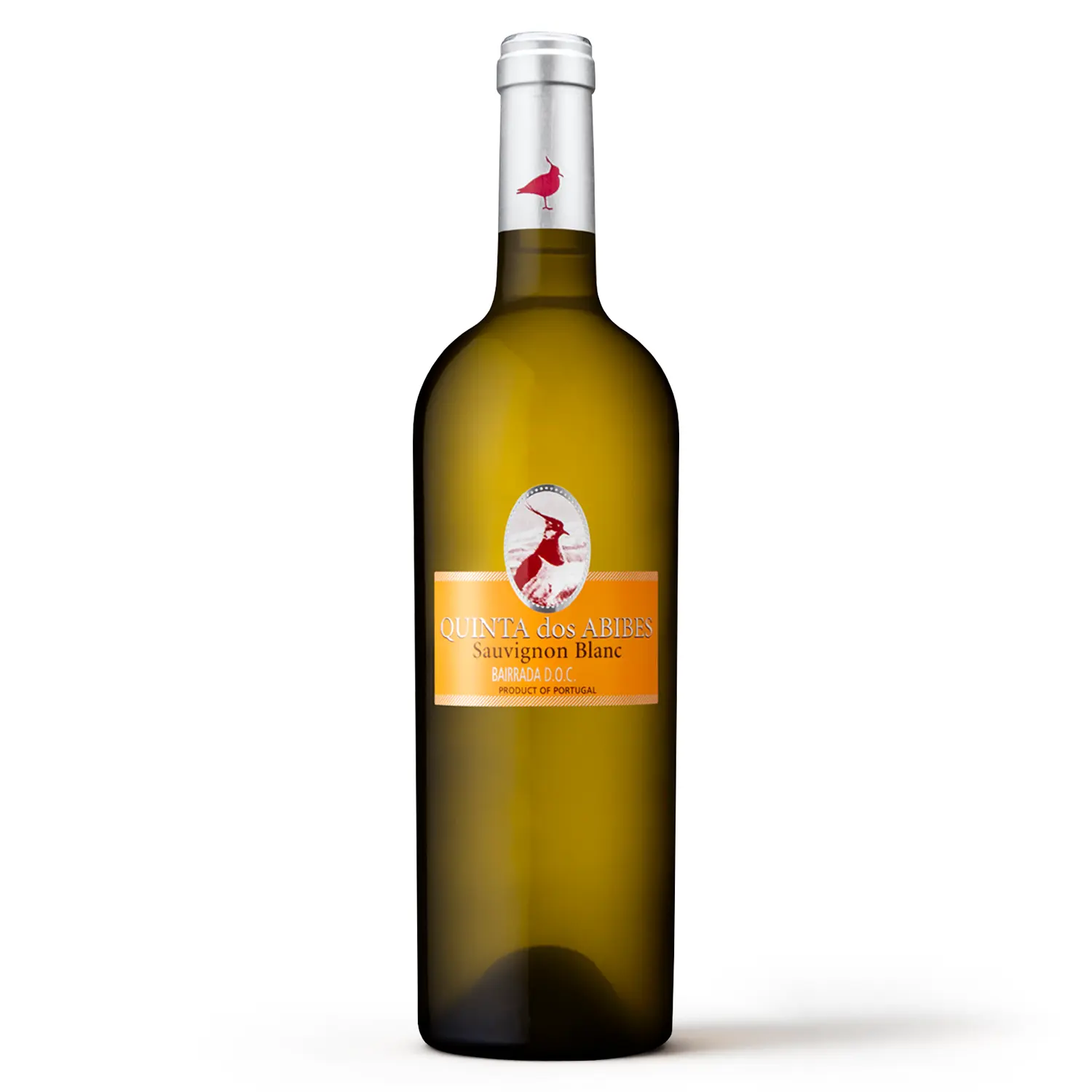
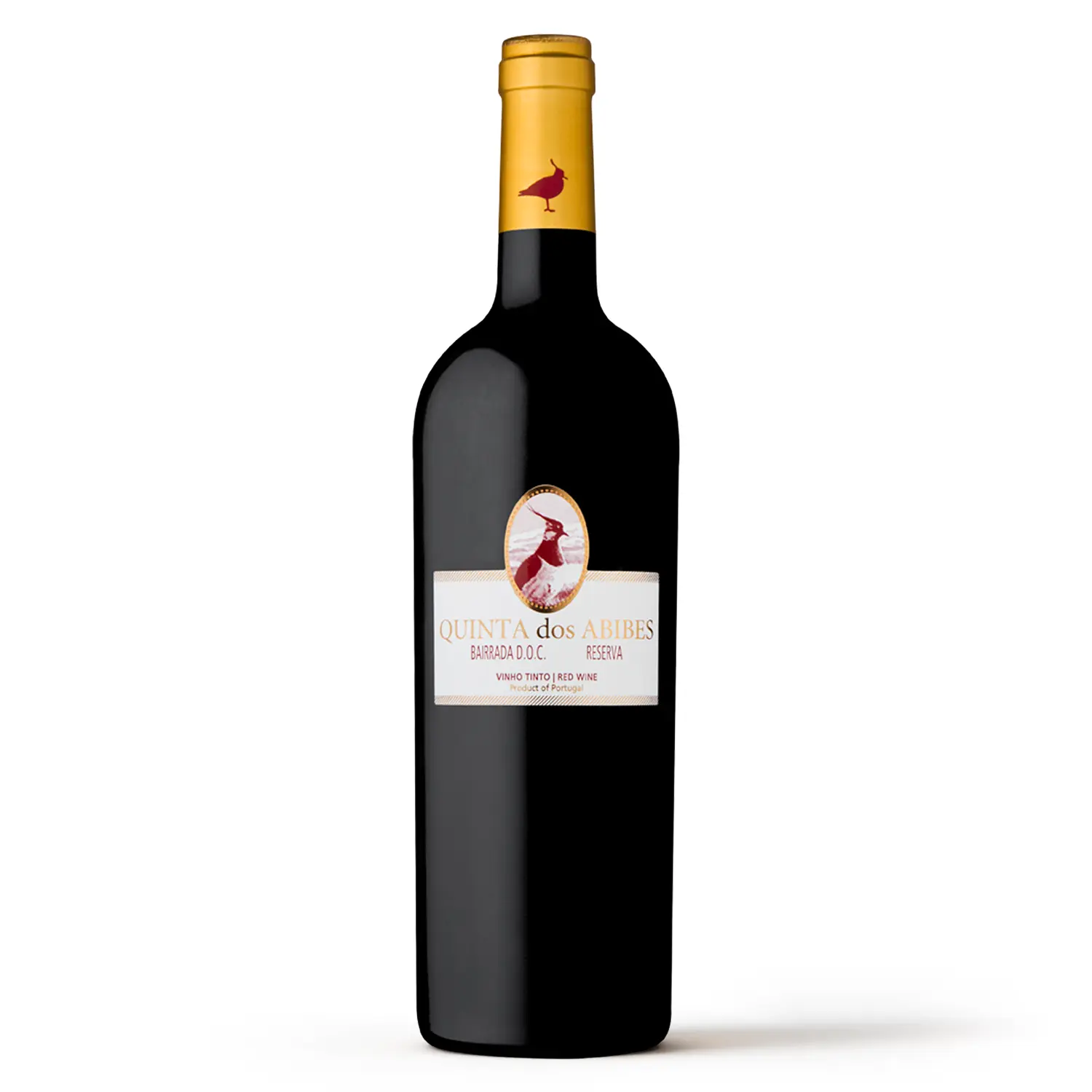
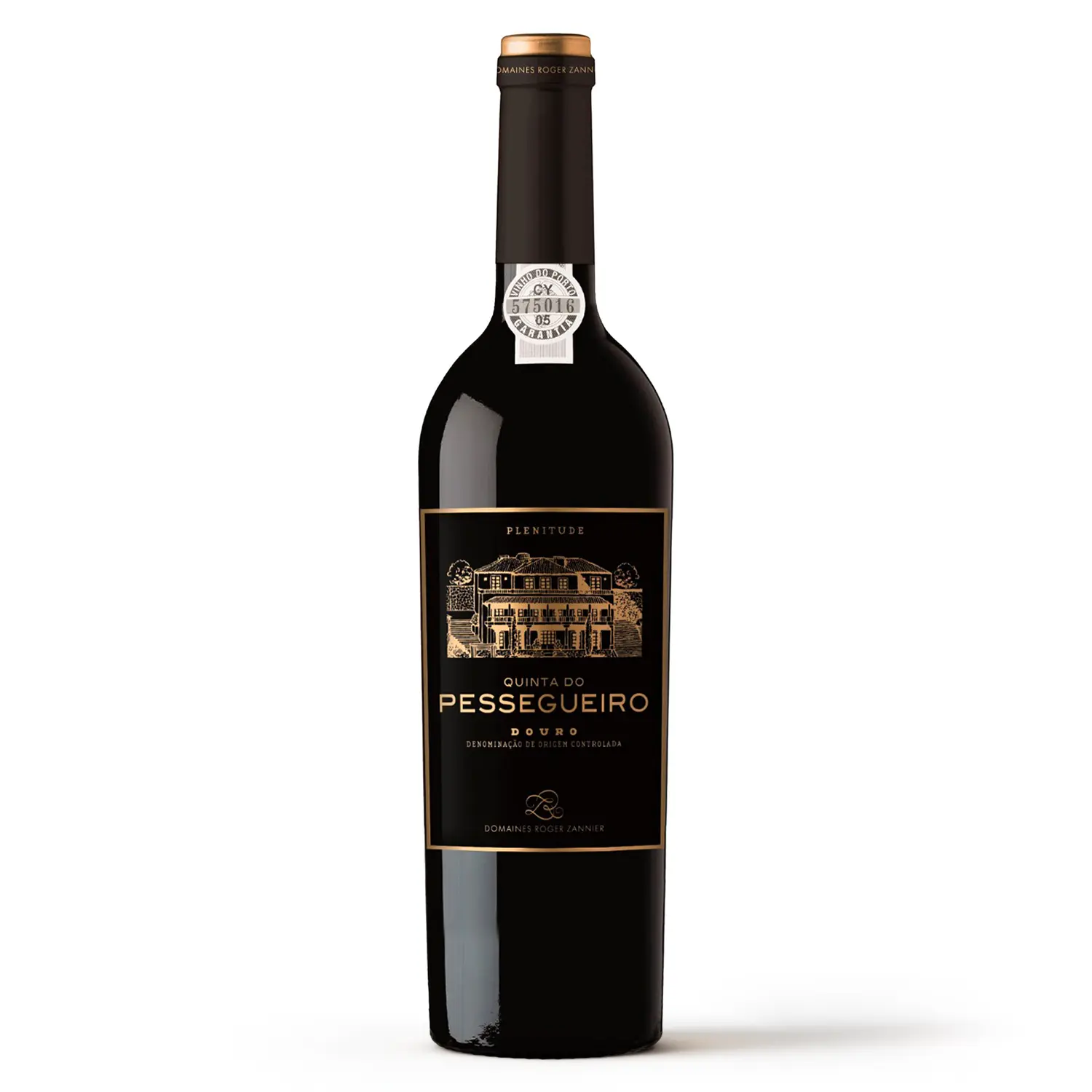
Port carries ripe fruit, alcohol warmth and often oxidative nut tones. Cheese brings fat, salt and umami. When you pair them, sugar and alcohol lift flavor while salt softens sweetness. High extract in Port matches the richness of aged cheeses, and the wine’s aromatics fill the spaces fat would otherwise mute. The result is harmony and length.

Port Wine and Cheese
Port has the depth, sweetness and texture that make cheese taste bigger, creamier and more complex. This guide shows why Port and cheese work so well, explains the main Port styles, and gives reliable matches you can use at home or in a restaurant. By the end, you will know exactly which Port to pour with blue, hard, soft or goat cheeses.
● Balance, contrast and shared intensity
Why Port and cheese work?
● A quick primer before you pair
Know the Port styles
- Ruby e LBV (Late Bottled Vintage): fruit-driven, dark berry and spice, firm structure.
- Vintage: powerful, tannic when young, deep fruit and great length.
- Tawny 10–40 years and Colheita: oxidative nut character, caramel, fig and orange peel, silky texture.
- White Port (dry to sweet, including Aged Whites): from zesty almond and peel to honeyed nut complexity.
💡 Tip: If you are new to Port, start with Ruby Reserve, 10-Year Tawny, and a Dry White Port. They cover most cheese styles with ease.
● Use these rules when in doubt
Pairing principles that never fail
- Match intensity. Aged or strong cheeses need LBV, Vintage or Tawny with age. Delicate cheeses prefer White or younger Ruby.
- Use salt to tame sweetness. The saltier the cheese, the sweeter the Port can be.
- Mind texture. Creamy cheeses like Brie need a Port with freshness to cut through fat.
- Think aromatics. Nutty cheeses echo Tawny’s walnut and toffee. Fruity blues love Ruby’s blackberry.
- Serve slightly cool. Most Ports sing at 14-16°C. White Port works at 8-10°C.
Best pairings by cheese family:
● Salt meets sweet and dark fruit.
🧀 Blue cheeses
Best Ports: Ruby Reserve, LBV, Young Vintage, or 20-Year Tawny if you prefer nuttier lift.
Why it works: Salt and blue mold amplify fruit and length.
Examples: Stilton, Roquefort, Gorgonzola Piccante, Cabrales.
Flavor note: Expect blackberry, plum and cocoa to wrap the blue’s spice. With 20-Year Tawny you get fig, toffee and orange peel against the salty punch.
● Crystals, umami and depth
🧀 Hard aged cheeses
Best Ports: 20 or 30 Year Tawny, Colheita, or Mature Vintage.
Why it works: Oxidative nut and caramel tones lock onto tyrosine crystals and umami.
Examples: Serra da Estrela Velha, Aged Cheddar, Parmigiano-Reggiano, 24-month Comté, Aged Gouda.
Flavor note: Walnut, almond and dried fig mirror the cheese’s nutty sweetness.
● Versatile everyday matches
🧀 Semi-hard and nutty cheeses
Best Ports: 10 Year Tawny or Ruby Reserve.
Examples: Serra da Estrela Velha, Aged Cheddar, Parmigiano-Reggiano, 24-month Comté, Aged Gouda.
Why it works: Moderate intensity with a balance of fruit and light nut.
Flavor note: Red fruit from Ruby freshens, light caramel from 10 Year Tawny adds polish.
● Keep it fresh and cut the cream
🧀 Soft bloomy rind cheeses
Best Ports: Dry White Port or Rosé Port served chilled.
Examples: Brie de Meaux, Camembert, Queijo do Alentejo soft styles.
Why it works: Acidity and slight bitterness in Dry White cut richness. Rosé adds gentle red fruit without weight.
Flavor note: Almond, citrus peel and herb from White Port lift the buttery core.
● Tame funk with sweetness and spice
🧀 Washed rind and pungent cheeses
Best Ports: LBV or 20 Year Tawny.
Examples: Époisses, Taleggio, Munster.
Why it works: A touch of residual sugar and spice rounds the savory bite. Tawny’s caramel softens the edges.
● Bright, tangy, herbal
🧀 Fresh goat and young sheep cheese
Best Ports: Extra Dry White Port or Dry White Aged 10+ Years.
Examples: Chèvre, Valençay, young Azeitão-style sheep cheeses.
Why it works: Citrus and almond notes mirror the cheeses’ fresh acidity.
Flavor note: Lemon zest, green almond, white flowers keep the palate clean.
● Make the pairings shine
Serving order, temperature and glassware
➡ Order: move from dry to sweet, younger to older, white to ruby to tawny, ending with the sweetest blue pairing.
➡ Temperature: Whites at 8-10°C; Ruby, LBV and Vintage at 14-16°C; Tawnies at 12-14°C.
➡ Glassware: Use a small tulip glass to focus aroma. Avoid shot-style Port cups.
➡ Port prep: Young LBV or Vintage may benefit from a gentle decant to soften tannin and release fruit.
● Myths that limit good matches
Common misconceptions
““Port only goes with Stilton.”
Blue is great, but Tawny with Comté or Aged Gouda is world-class.
Blue is great, but Tawny with Comté or Aged Gouda is world-class.
““White Port is just for cocktails.”
Dry and Aged Whites are outstanding with soft and goat cheeses.
Dry and Aged Whites are outstanding with soft and goat cheeses.
““Older is always better.”
Choose age by cheese strength, not by prestige alone.
Choose age by cheese strength, not by prestige alone.
● If you like this, try these
Related styles and alternatives
➡️ Madeira (Bual, Malmsey): brilliant with nutty aged cheeses.
➡️ Generous/Sherry: a wide span from savory to sweet that pairs across the board.
➡️ Late Harvest and Sauternes: for soft bloomy rind or blue when you want honeyed lift.
● A small, useful set rather than a long list
Selected bottles worth exploring
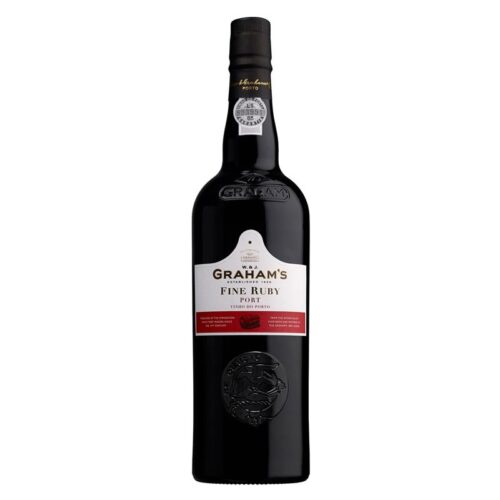
🍷 Ruby Reserve with 🧀 Roquefort or Stilton – fruit against salt and spice.
🍷 LBV (Late Bottled Vintage) with 🧀 Taleggio – plush fruit and spice tame the rind.
🍷 10 Year Tawny with 🧀 Manchego Curado – caramel and nut echo the sheep’s milk sweetness.
🍷 20 Year Tawny with 🧀 Aged Gouda – fig, toffee and walnut meet crystals and umami.
🍷 Dry White Port with 🧀 Brie de Méaux – almond and citrus keep the palate fresh.
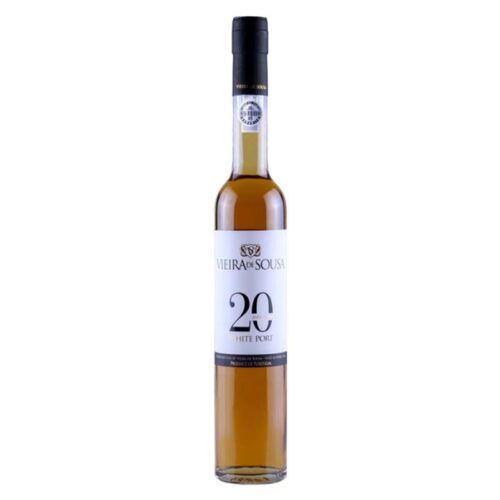
🍷 Aged White Port 10–20 Years with 🧀 fresh goat cheese – honeyed almond meets citrus tang.




● The simple way to get it right
Short closing
Start with intensity matching, then decide between fruit-first Ruby styles and nut-driven Tawny styles. Add White Port for creamy or goat cheeses and you have a complete toolkit. If you are unsure, pour 10 Year Tawny with a mixed cheese board and watch everyone smile.
● More Info
Did you enjoy this article? At Foz Gourmet, we guarantee the quality of all our wines, so all you need to worry about is the serving temperature! Explore our selection and buy your wine online now! See Products
References
IVDP – Instituto dos Vinhos do Douro e do Porto (Douro and Port Wine Institute) – Definition of Port styles, ageing categories, service guidance.
The Oxford Companion to Wine (Jancis Robinson, ed.) – Background on Port production, tawny ageing, LBV and Vintage definitions.
WSET Level 3/4 materials – Concise, standardised explanations of Port vinification, fortification timing and style differences.
GuildSomm – Port Study Guide – Deep dive on Douro grapes, ageing regulations and house styles.
Academy of Cheese – pairing guidance – Solid, non-sensational cheese taxonomy and pairing logic.
Consorzio/ PDO sites for specific cheeses – e.g., Parmigiano Reggiano, Roquefort, Comté.
Charles Spence – Gastrophysics / sensory pairing research – Evidence for salt–sweet balance, fat carrying aroma, and temperature effects.
Decanter or The World Atlas of Wine (Johnson & Robinson) – Optional corroboration for serving ranges and stylistic expectations.