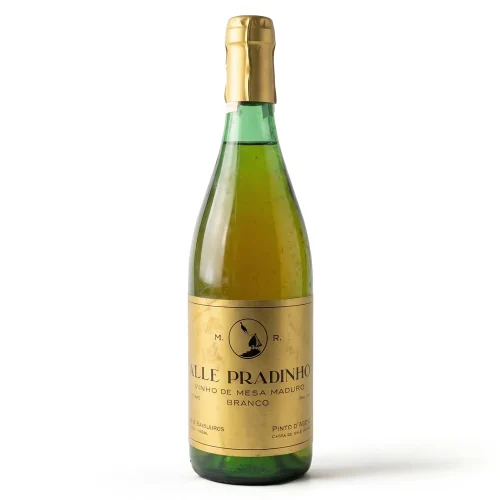
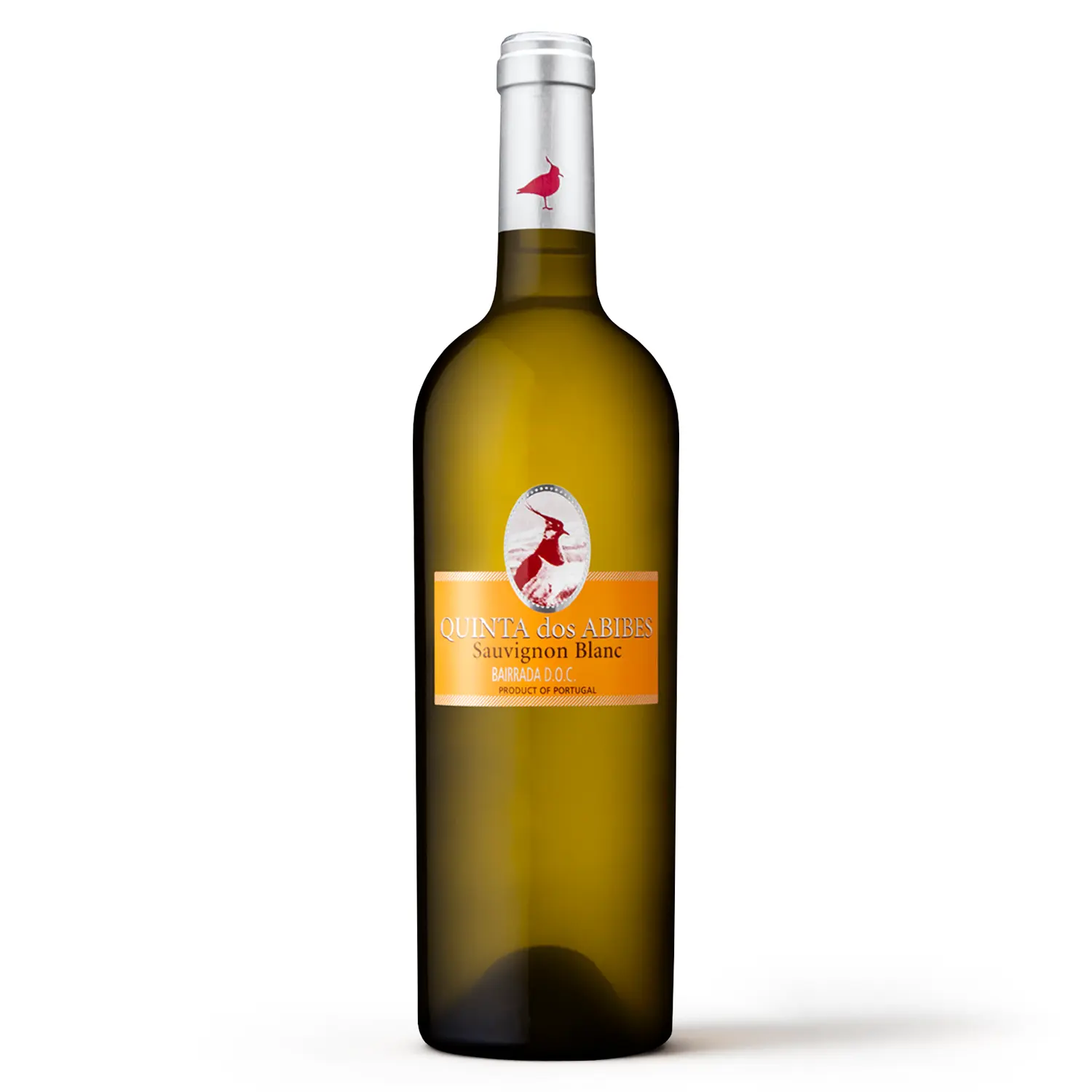
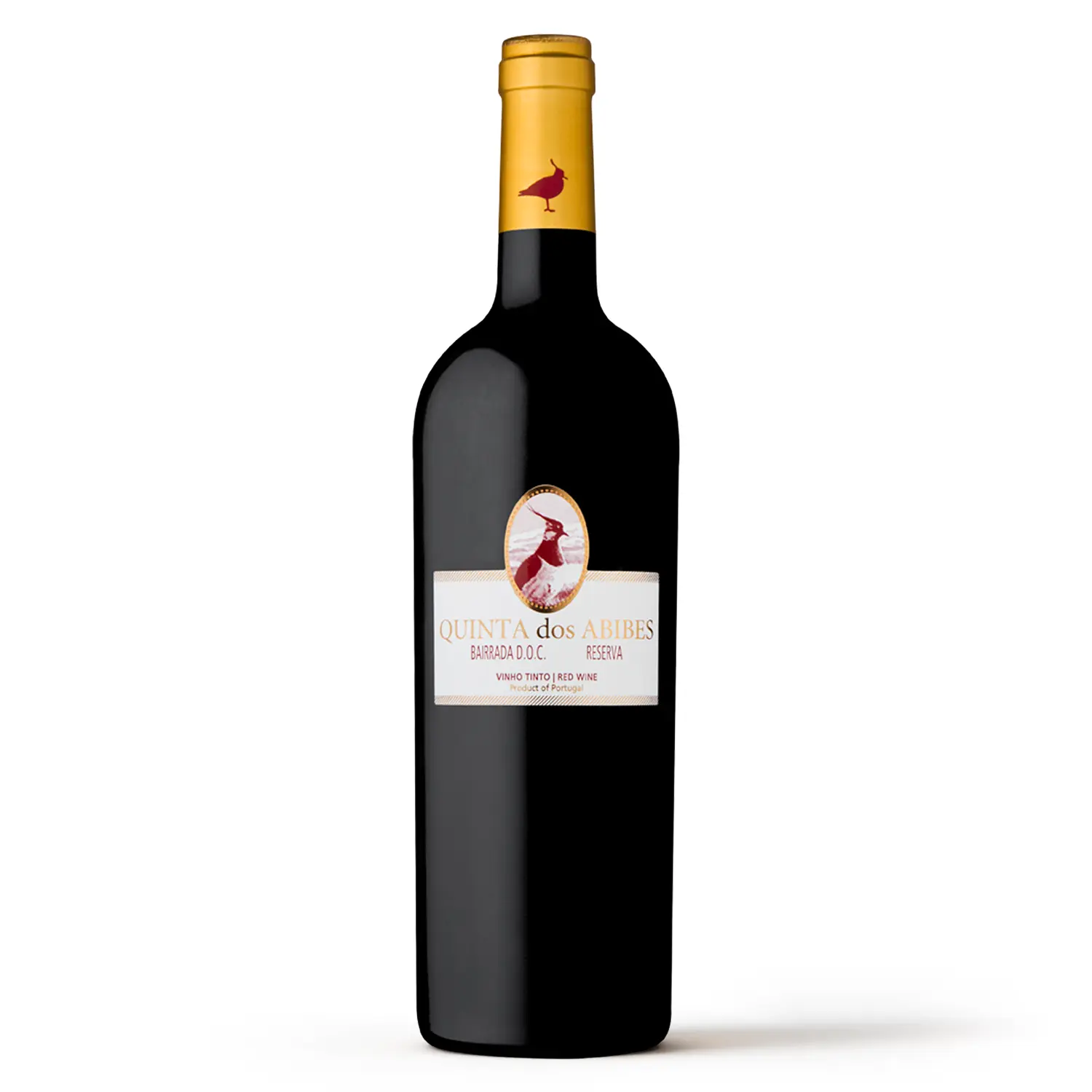
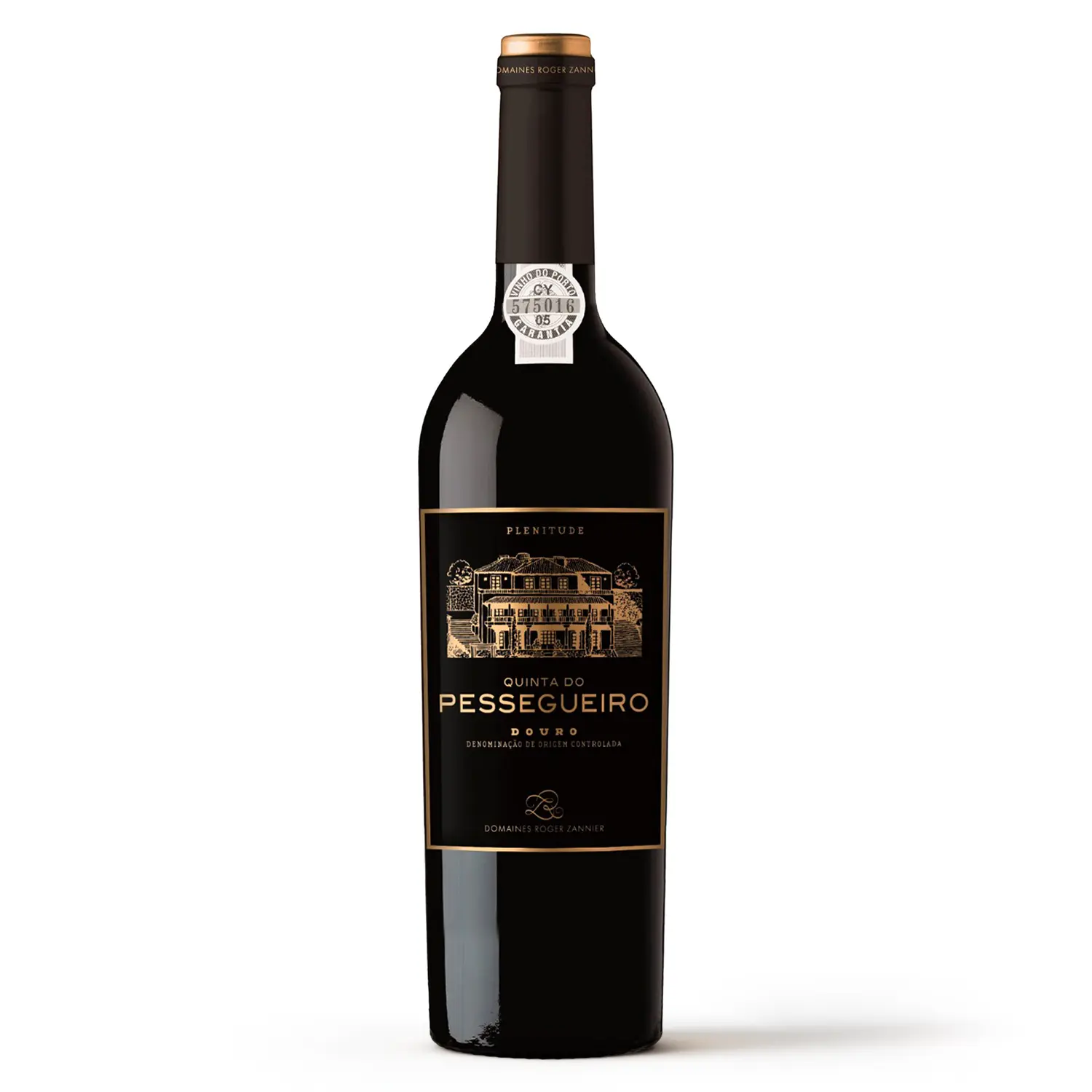
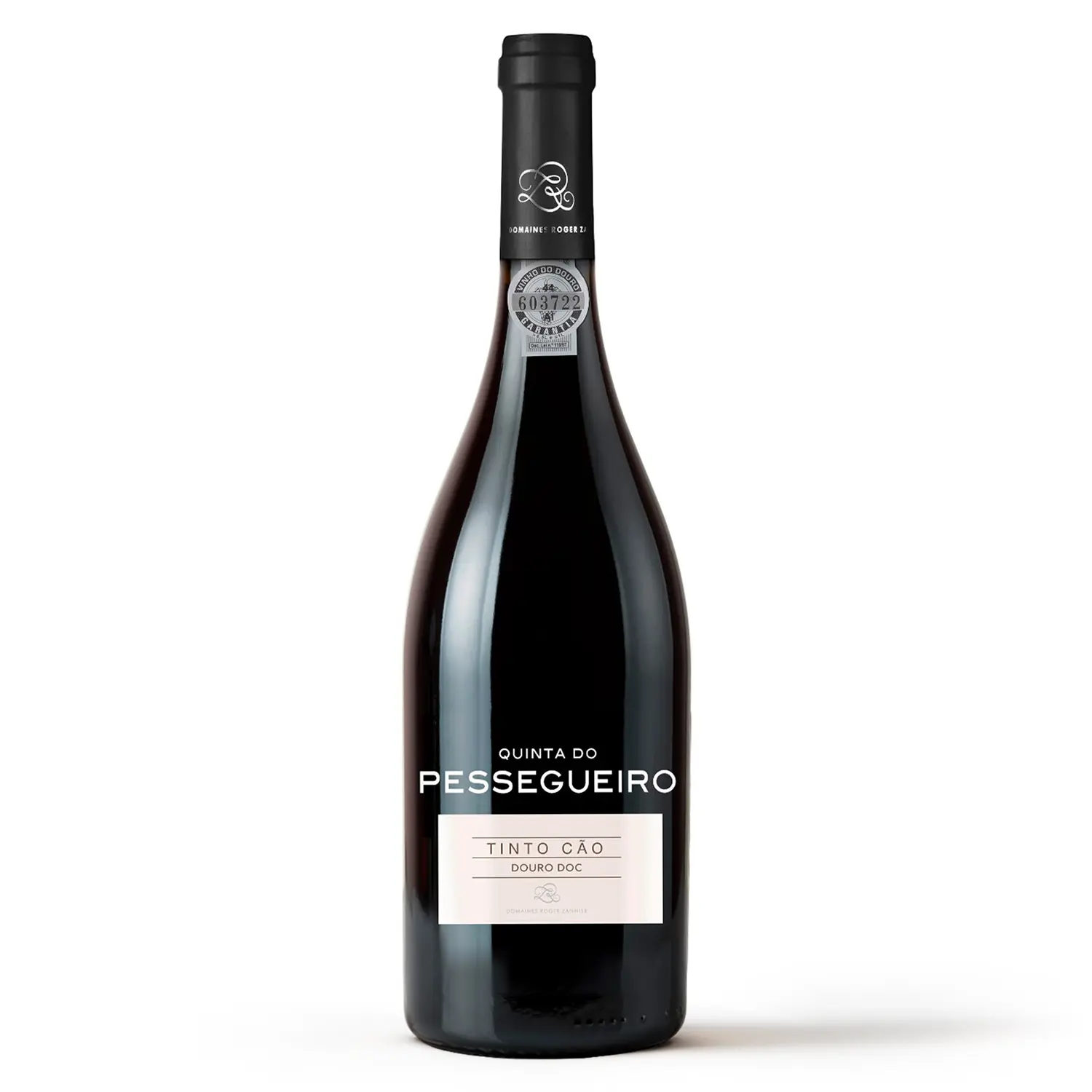
Crushed grapes meet yeast. Fermentation consumes sugar and creates alcohol and CO₂. Contact with skins, pulp, and seeds changes the result: whites are usually pressed early for freshness, reds soak with skins for color and tannin. Oak and time can add spice, toast, and polish.

wikiwine, Wine 101
What Is Wine?
Wine is fermented grape juice shaped by nature and people. Yeast transforms grape sugars into alcohol and carbon dioxide, and that simple reaction unlocks color, texture, and hundreds of aromas. This guide covers what wine is, why wine grapes are special, how “vintage” works, the main styles, and what organic on a label actually means.
● How fermentation turns grape juice into wine
The simple science
Remember: Wine 🟰 grape sugars ➕ yeast ➡️ alcohol ➕ style.
● Small berries, thick skins, big flavor
Why wine grapes are different
Wine grapes are not table grapes. They are smaller, sweeter, have thicker skins, and contain seeds. These traits concentrate flavor, acidity, color, and tannin. Most fine wine comes from Vitis vinifera varieties such as Pinot Noir, Merlot, and Riesling, among thousands more, each with its own voice.
● How climate and terroir shape style
Vines, seasons, and place
Grapevines are perennial. Budbreak in spring, flowering, berry growth and veraison in summer, then harvest. Climate sets the frame: cool sites give higher acidity and lighter bodies; warm sites push riper fruit and fuller texture. Soil, altitude, slope, and exposure shape drainage and sunlight. This full set of conditions is terroir.
● Year on the label vs house style
Vintage and Non-Vintage
A vintage is the harvest year on the label. Weather in that year affects ripeness and structure, so collectors compare vintages. Non-vintage (NV) blends several years to keep a consistent profile, common in sparkling and fortified categories. Vintage tells a single-year story; NV offers reliability.
● Three ways grapes are organized
Varietal wines, blends, and field blends
A single-varietal wine is made mostly from one grape, showing a clear identity (Chardonnay, Touriga Nacional). A blend combines varieties to balance aroma, mid-palate, and structure. A field blend comes from old mixed plantings harvested and fermented together, classic in parts of Portugal, giving seamless complexity.
● Still, sparkling, fortified, aromatized at a glance
The four big styles of wine
➡ Still: no bubbles; from bone-dry to sweet, feather-light to powerful.
➡ Sparkling: bubbles from a second fermentation; traditional-method wines show fine mousse and brioche from lees aging.
➡ Fortified: grape spirit raises alcohol or stops fermentation; Port and Madeira span dry and nutty to rich and sweet with long life.
➡ Aromatized: wine infused with botanicals, sometimes fortified, like vermouth.
● Facts that make choosing easier
Quick myths to forget
❌ “Sulfites cause headaches.”
Most wines contain sulfites for stability, but dehydration and histamines are more common culprits.
❌ “Older is always better.”
Many wines are made to be enjoyed young. Age helps only when fruit, acidity, and tannin are in balance.
❌ “Screw caps are cheap.”
They are excellent closures for freshness and consistency. Although in countries such as Portugal – a high-quality cork producer – it is very rare to find this type of system.
● Make any bottle taste better
Quick tips for perfect serving temperature
1️⃣ Serve slightly cooler than target. Wine warms fast in the glass.
2️⃣ Ice and water chill faster than ice alone – submerge the bottle fully.
3️⃣ Use a wine thermometer for precision, especially with Champagne and fine whites.
● What “organic” means in EU and US
Organic wine explained 🐞
🇪🇺 EU: “Organic wine” uses organic grapes and may include sulfites with lower maximums.
🇺🇸 US: “Organic wine” must use organic grapes and no added sulfites.
Many estates follow sustainable or biodynamic practices as well. Certification helps, but healthy fruit and careful work are what you taste.
● Match style to moment
When each style makes sense
🥂 Aperitif and celebrations: crisp whites and sparkling.
🦞 Seafood and salads: high-acid whites and rosé.
🥘 Roasts and stews: medium to full reds with fine tannins.
🧀 Cheese and dessert: late-harvest whites, Tawny Port, or Madeira.
🍸 Cocktails: dry or sweet vermouth.
● The simple model to remember
Closing
Wine is simple at the core and endlessly varied in detail. Understand the fermentation basics, read vintage and style on the label, then choose for the moment. Start with classics, follow your palate, and let curiosity lead.
● More Info
Did you enjoy this article? At Foz Gourmet, we guarantee the quality of all our wines, so all you need to worry about is the serving temperature! Explore our selection and buy your wine online now! View Products
References
[1] OIV definition of wine; R. B. Jackson, Wine Science.
[2] J. Robinson, The Oxford Companion to Wine (entries “Grape” and “Variety”).
[3] UC Davis viticulture notes; Winkler Climate Index.
[4] Comité Champagne labeling guidance on vintage and NV.
[5] EU varietal labeling rules; IVDP materials on Douro field blends.
[6] Traditional method overview from Comité Champagne; IVDP Port categories; EU aromatized wine regulations.
[7] OIV sulfite guidelines; Australian Wine Research Institute summaries on closures.
[8] Court of Master Sommeliers service guidelines.
[9] EU Reg 2018/848 on organic wine; USDA NOP standard.
[10] WSET pairing principles and classic regional pairings.